


Picture this: a visitor lands on your site, types a question into the search bar, and hits Enter. They wait for the page to reload. They scan a plain list of results. Then they leave.
We’ve seen this pattern play out on countless sites, and the frustrating thing is that most site owners don’t know it’s happening.
The problem isn’t that your content is missing. The problem is that WordPress has no built-in live search.
Every default search form works the same way: the visitor submits a query, WordPress reloads the page, and the results appear. That reload is where you lose people.
The good news is that you can add live search to WordPress for free, without API keys, without a cloud account, and without touching a single line of code.
In this article, we’ll show you how to add live search to WordPress for free.
What Is Live Search in WordPress?
Live search, also called AJAX search or search-as-you-type, shows results in a dropdown below the search form as the visitor types.
There’s no Enter key, no page reload, no waiting. Results update with every keystroke.
For example, simply type “con” into a live-search-enabled bar, and you’d immediately see options like “Contact Us,” “Content Marketing Guide,” and “Contour Chair” appear below the input in real time.
For visitors, the experience feels familiar because it’s how search works on Google, YouTube, and most modern websites. When your site offers the same instant feedback, visitors are more likely to keep searching instead of bouncing.
Why Your WordPress Site Needs Live Search
Adding a live search to your website isn’t just about keeping up with technology trends.
Here are a few ways live search enables you to serve your customers better and helps you stay ahead of your competitors:
- Speedy Results: Users see results instantly as they type, significantly speeding up the search process. This enables them to learn if you have what they are looking for. By respecting their time, you are valuing your customers.
- Reduced Bounce Rates: Quick and relevant results keep users engaged and interested. This engagement reduces the chances that they will leave your site out of frustration, thereby decreasing your site’s bounce rates.
- Increased Conversions: Faster searches help users make decisions more quickly. This speed can lead to higher conversion rates, as users are more likely to complete purchases or sign-ups without hesitation.
- Improved Accessibility: Live search is particularly beneficial for users who may not remember the exact terms or correct spellings of what they are looking for without the full query. Making it easier and faster for them to find their desired items.
- Enhanced User Experience: Live search transforms the search experience by providing an interactive and responsive journey. This modern approach makes your website feel more dynamic and user-friendly.
- Paid Tools create Unnecessary Cost and Complexity: We’ve worked with many site owners who looked at services like Algolia or ElasticPress and walked away because the API setup, usage-based pricing, and external data storage felt like overkill for their needs. Your data should stay on your own server.
Ready to fix this? Let’s walk through how.
How To Add Live Search To WordPress For Free
Once you decide to add live search to your website, the rest is easy! All you need to do is use the free SearchWP Live Ajax Search plugin.
It’s a powerful WordPress search plugin that makes the complex task of adding live search to WordPress very easy and beginner-friendly.
Anyone can add live search to their WordPress website using the Live Ajax Search plugin with only a few clicks; no coding knowledge is required.
Let’s see how to add live search to WordPress for free, step by step.
Step 1: Install The SearchWP Live Ajax Search Plugin
To get started, go to Plugins » Add New Plugin from your WordPress dashboard.
From here, type “SearchWP Live Ajax Search” into the search field and find the plugin by SearchWP.
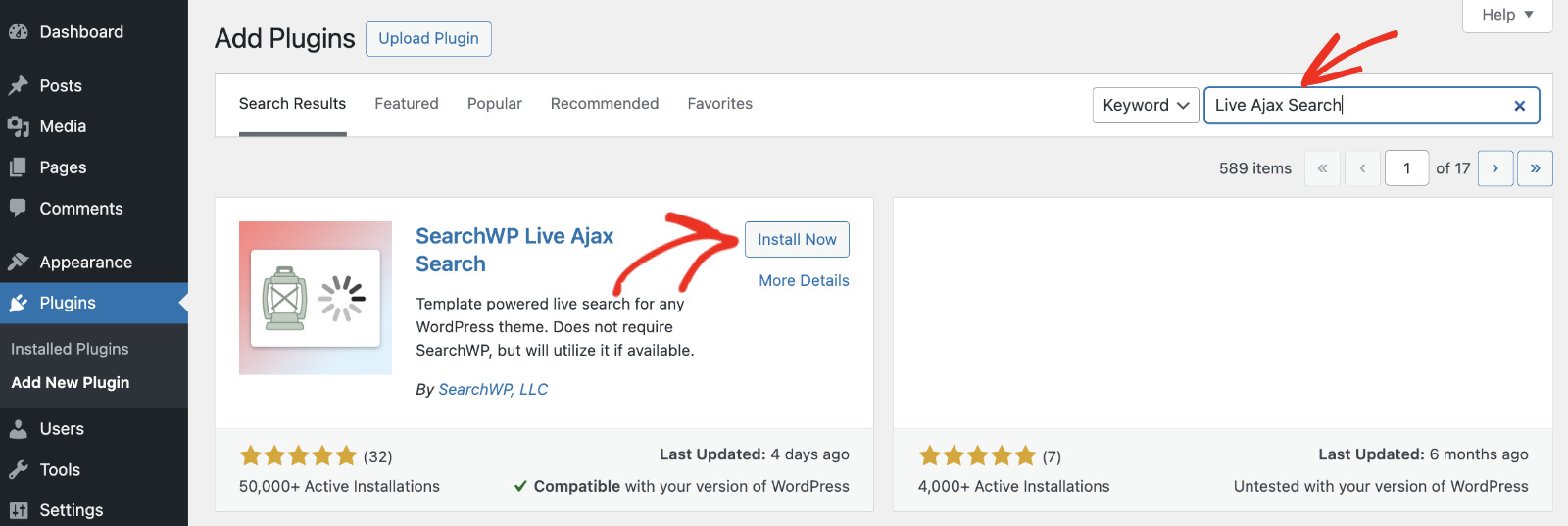
Go ahead and click Install Now, then click Activate once the installation finishes.
Not sure how to install a plugin? Check out this beginner’s guide on how to install a WordPress plugin.
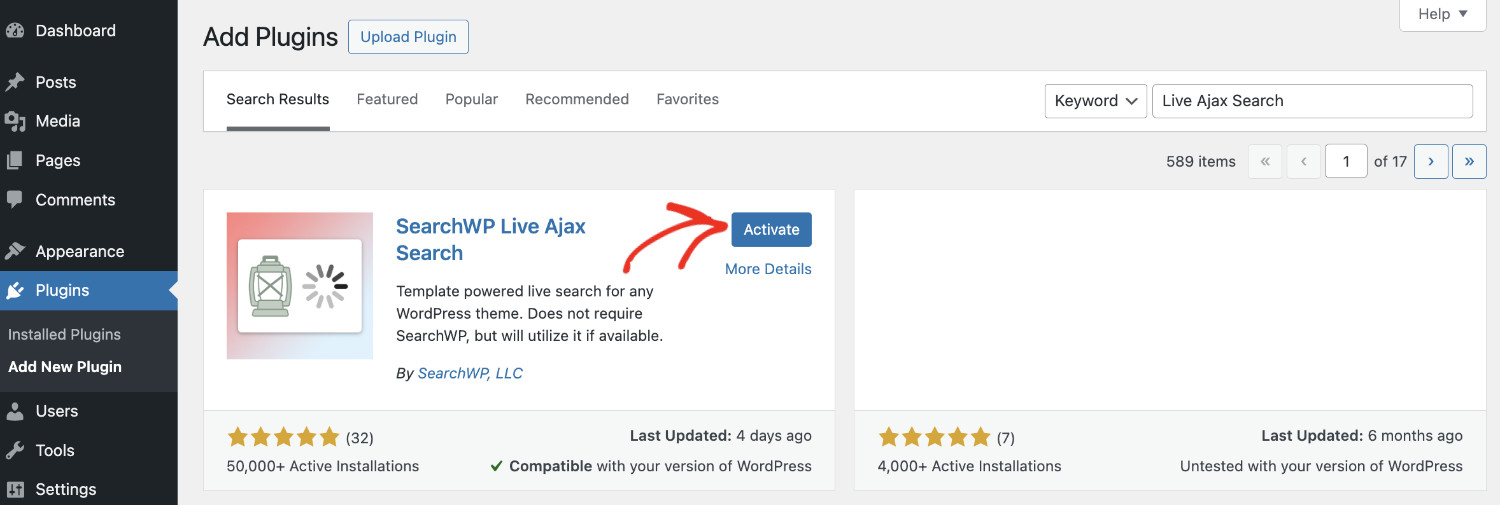
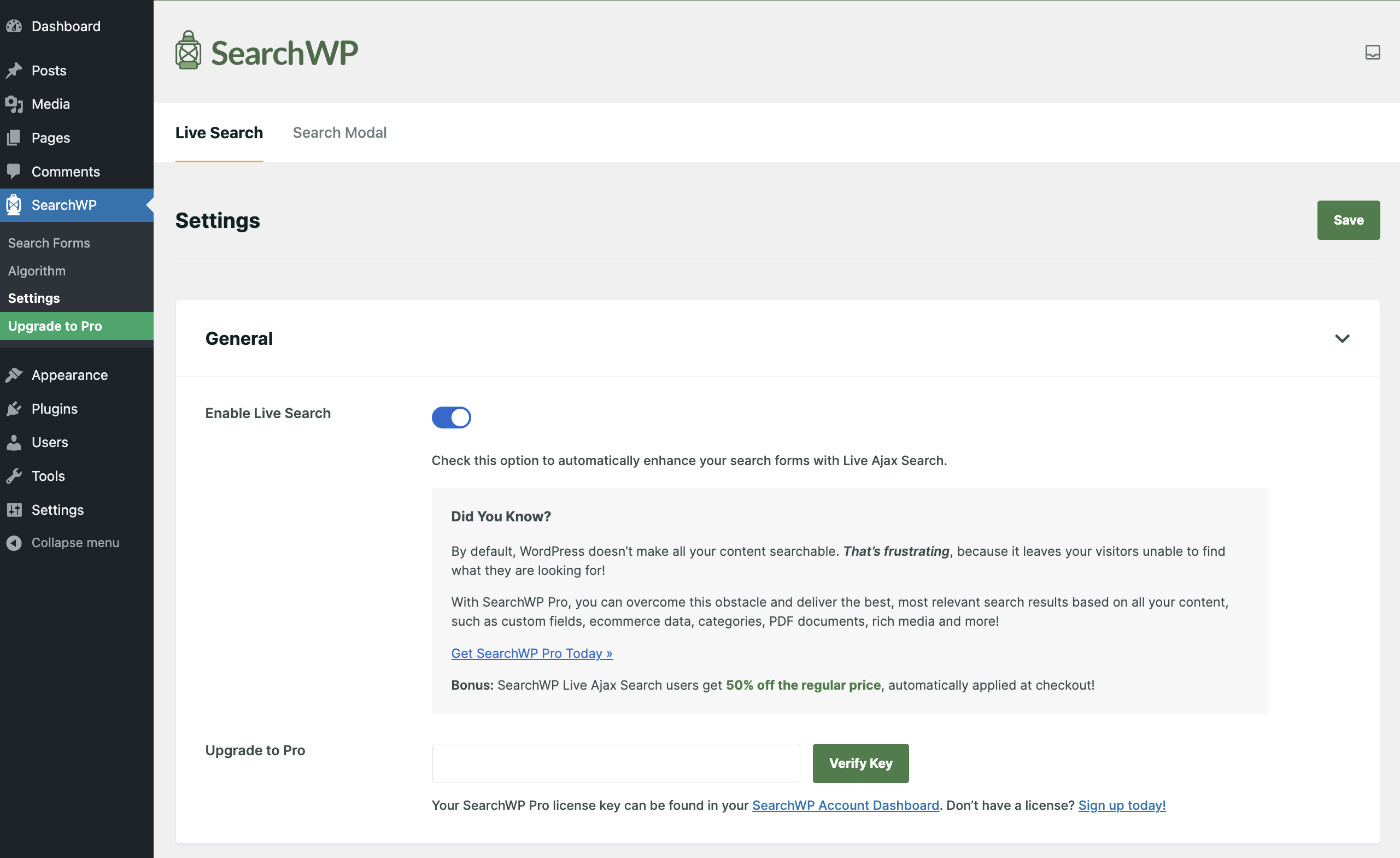
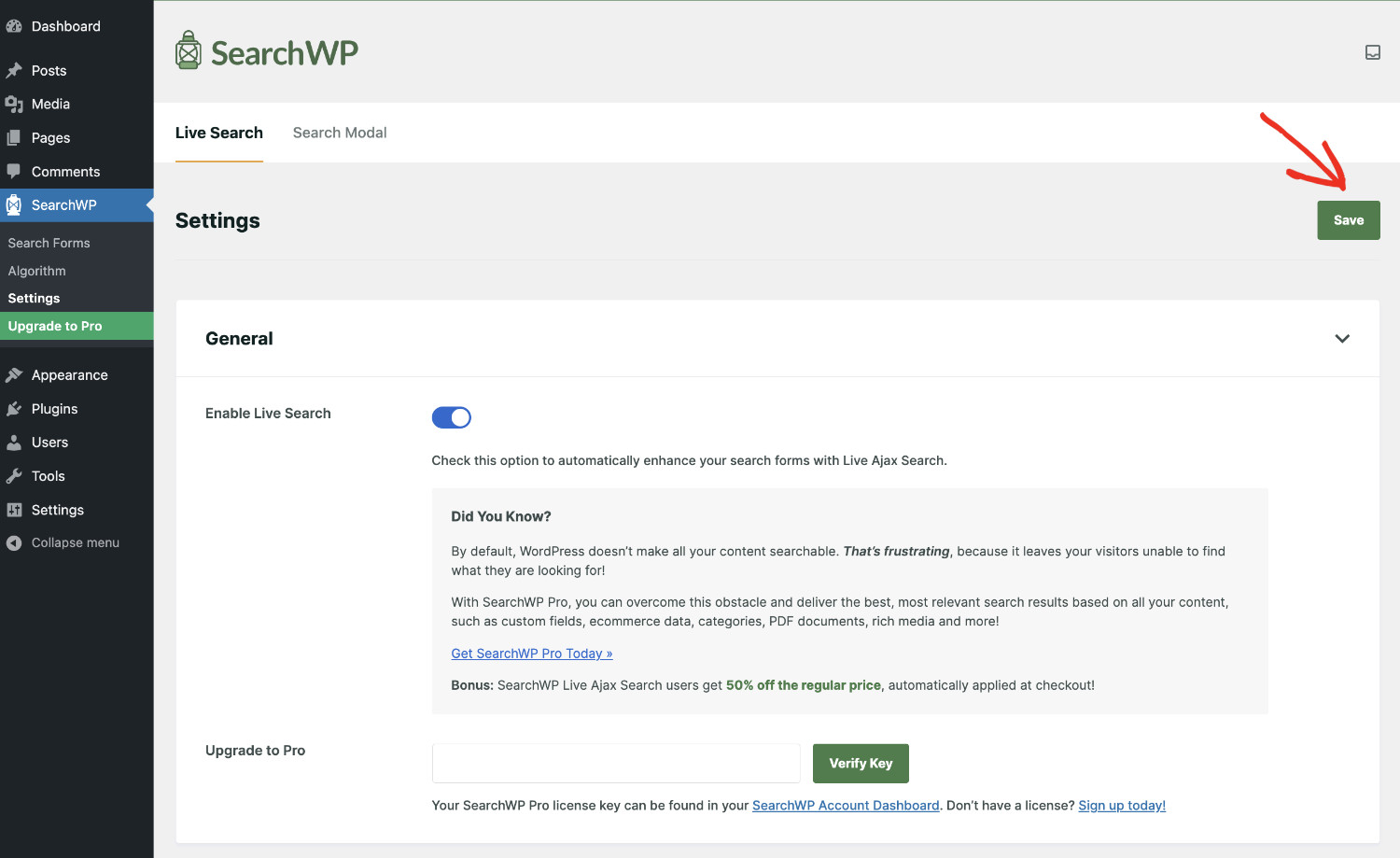
Once the plugin is active, you will see the settings page.
You’ll notice that the Enable Live Search toggle will be on by default.
Step 2: Creating A Search Form
Next, it’s time to create your first live search form.
To start, you can head to SearchWP » Search Forms from the WordPress dashboard.
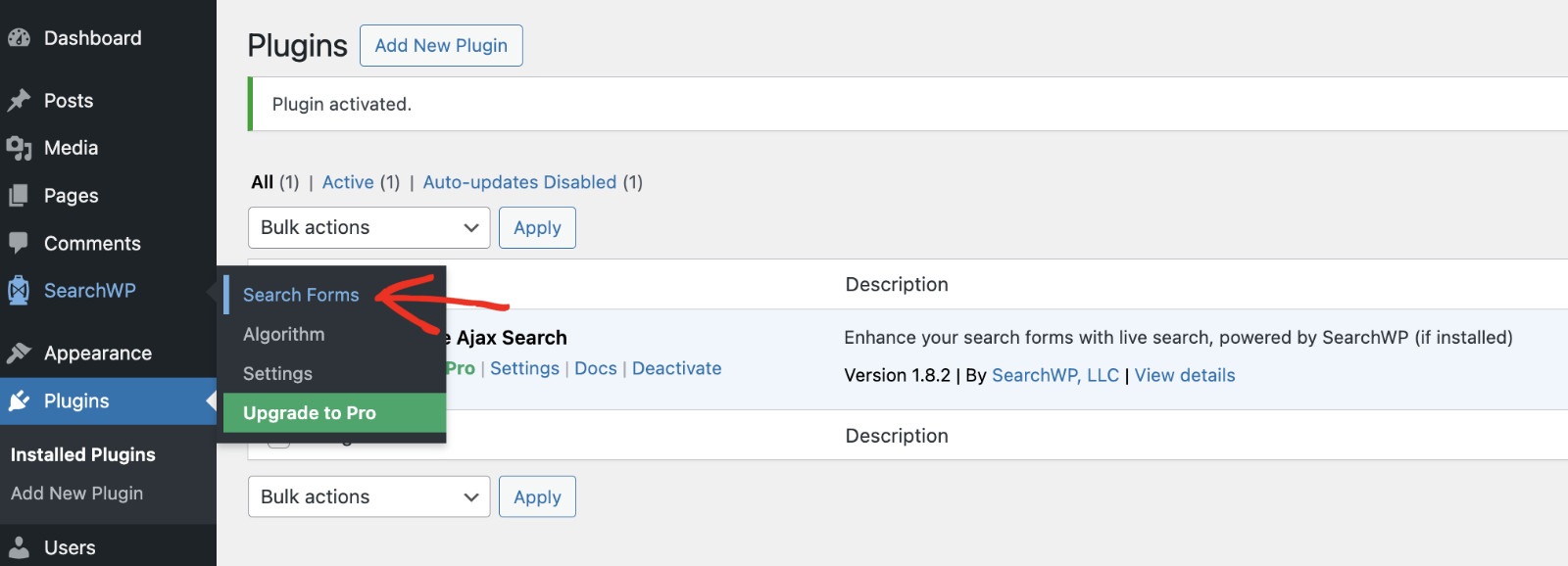
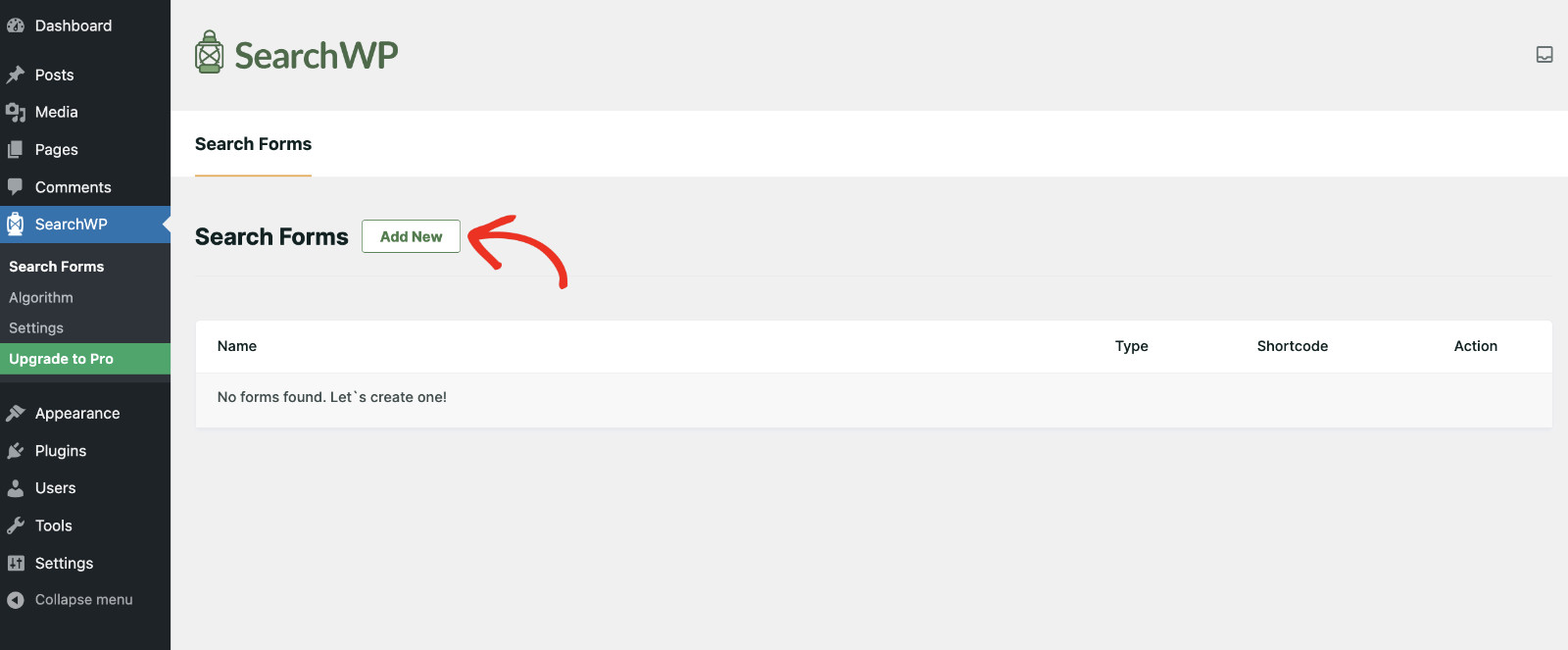
Here, you can add new forms or select existing forms.
To start, click Add New to create your first live search form.
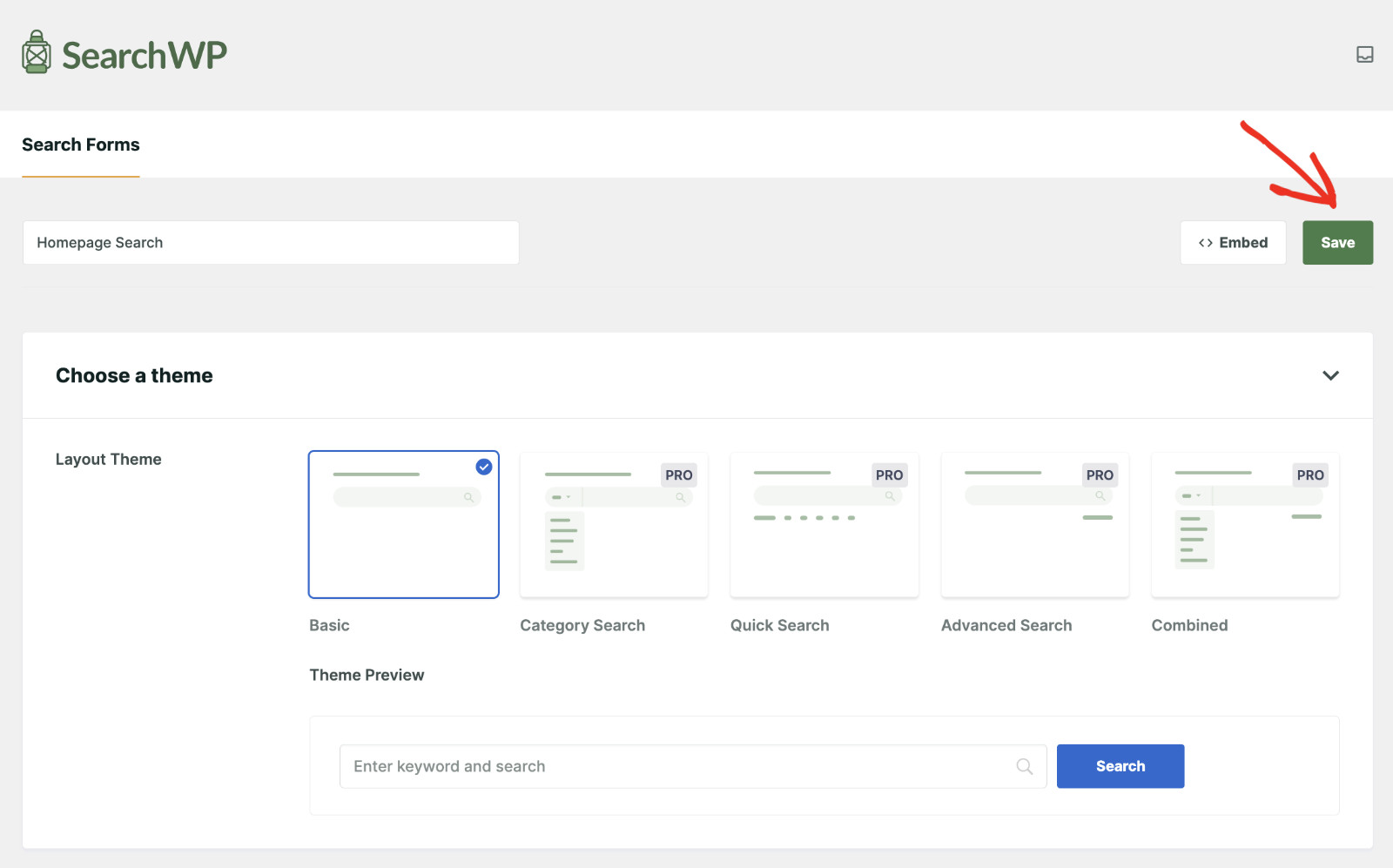
After that, give your search form a proper name. In this case, let’s call it “Homepage Search.”
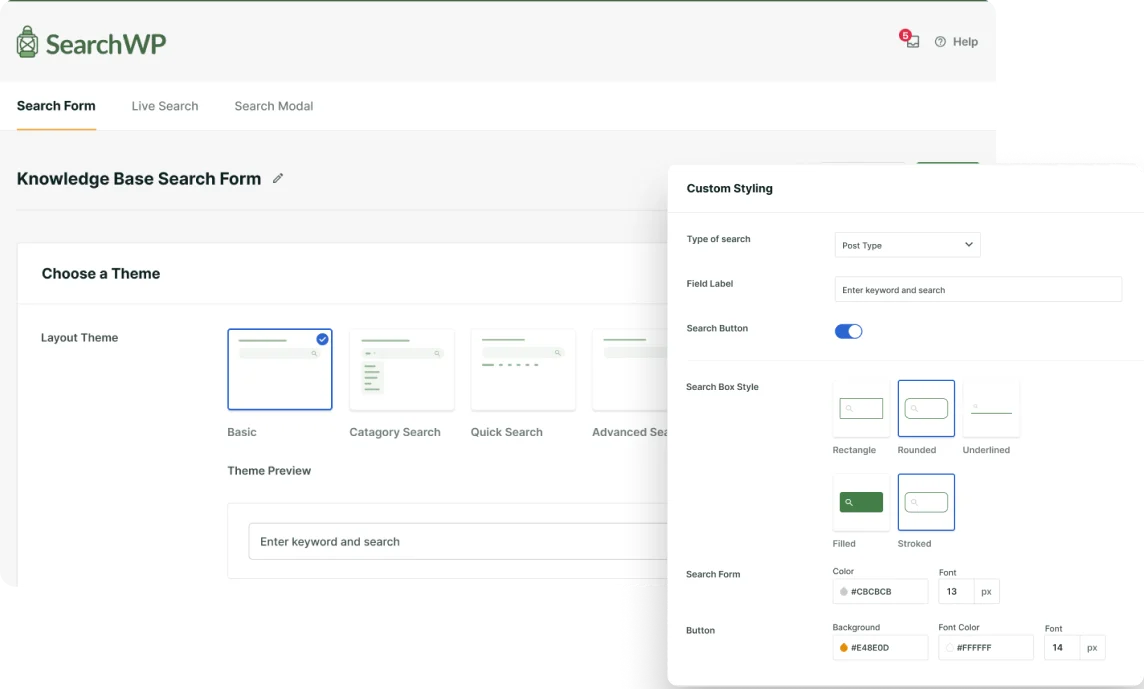
Then, you can choose a theme for your search form from the pre-designed layout themes.
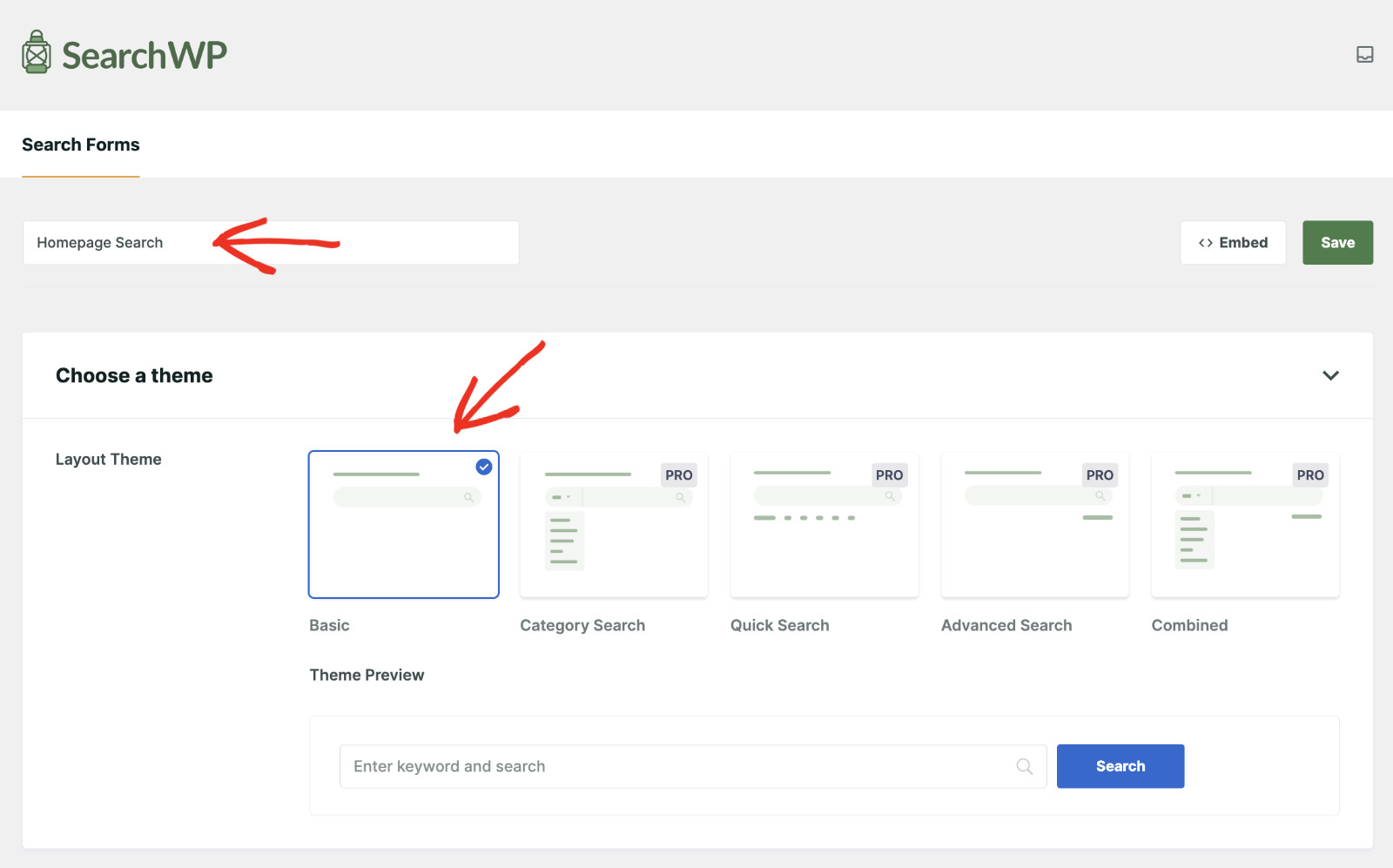
After selecting a layout, you can further edit the form.
Simply customize the search form’s style to match your site’s aesthetics. You can tweak everything from colors to font sizes.
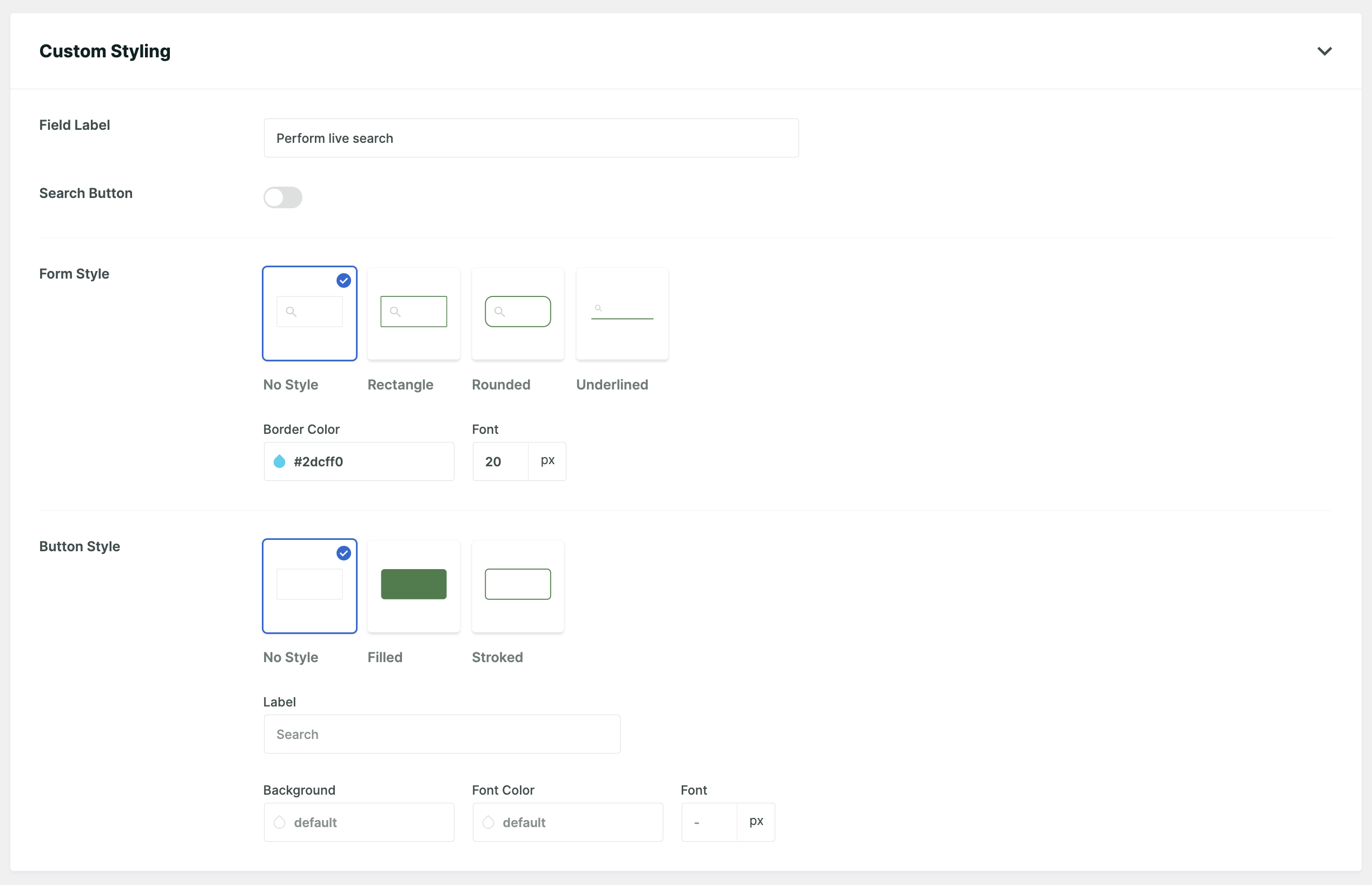
When you’re done, click Save to finish creating your live search form.
That’s it, your search form is ready.
See our guide on how to add a search box to a WordPress page for a full walkthrough.
Step 3: Customizing Search Results Appearance
You can also customize the search results’ appearance to ensure they appear how you want them to.
To do that, simply navigate to SearchWP » Settings from the WordPress dashboard.
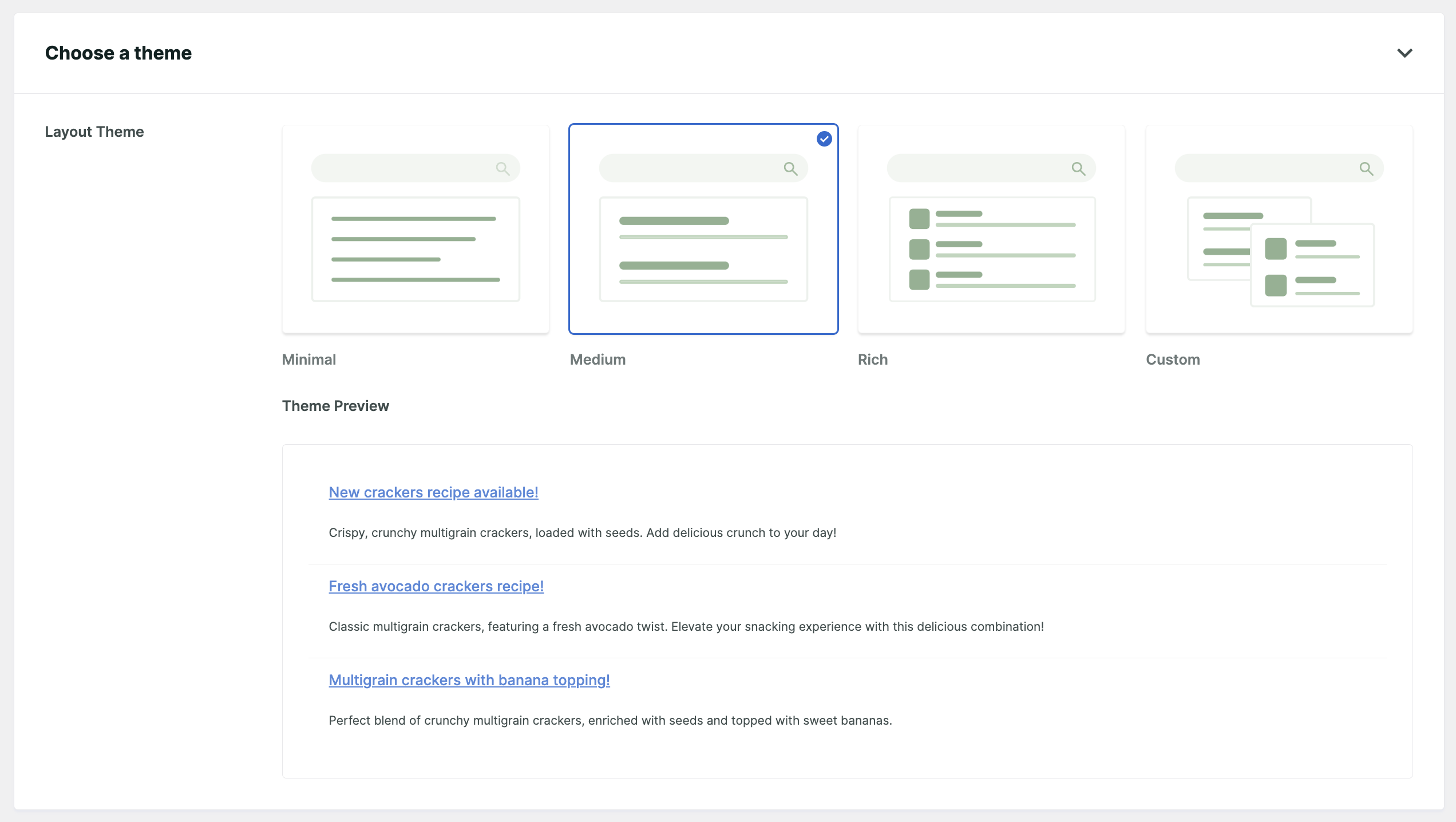
Next, you can scroll down to choose a theme.
SearchWP offers 4 predefined layout themes for how the results should appear.
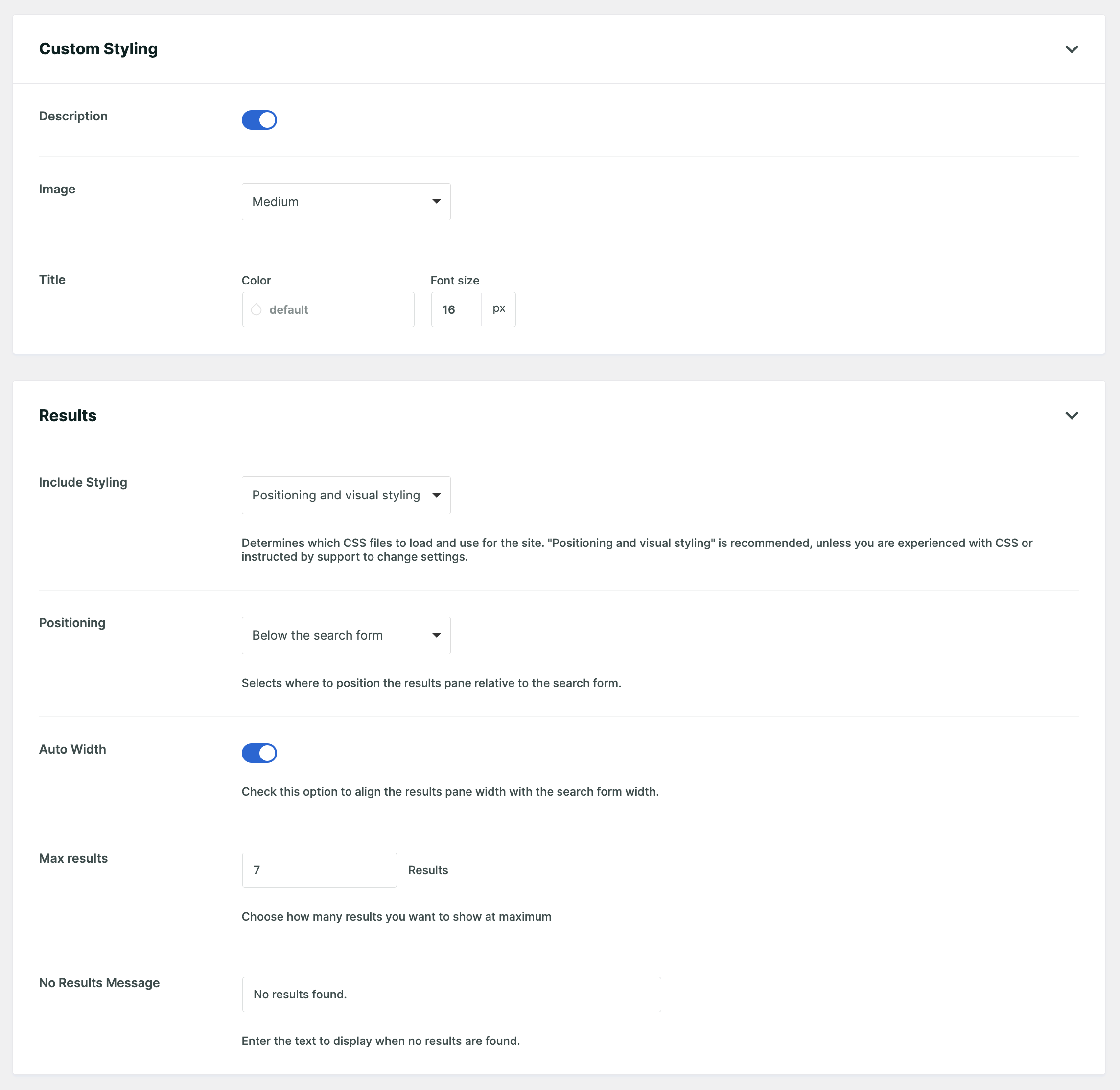
Next, you can scroll down to the Results section.
Here, you can set the result pane position relative to the search form, adjust the number of results displayed per page, set the minimum number of characters before live search fires, and customize the message visitors see when no results are found.
The Custom Styling section above it controls the visual styling of each result: image size, title color, and (if WooCommerce or EDD is active) price and add-to-cart styling.
When you’re done, simply scroll back to the top.
Then click “Save” to apply the changes.
Step 4: Displaying the Search Form
Now that you have created your first live search form and customized how you want the results to look. The next step is to display it on your website.
There are a few ways to add search forms to your website. Let’s see how to add a live search form to WordPress using the Gutenberg block.
To do that, edit the page where you want to show the search form.
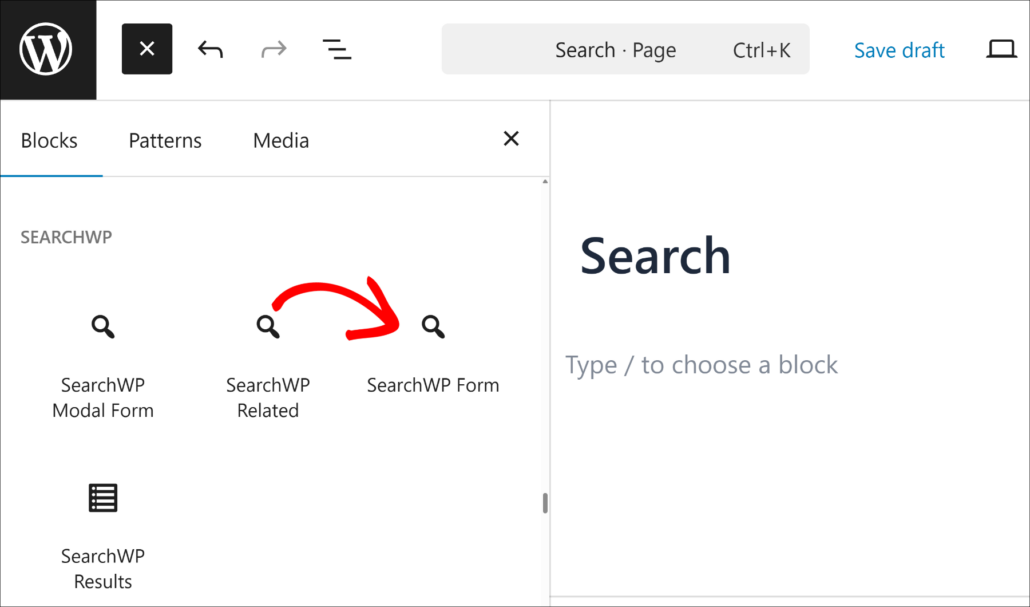
Then, find your desired location and click the + Add block button. After that, look for the “SearchWP Form” block and select it.
Next, you will need to choose the form you created to show in this location from the “Select a Form” dropdown.
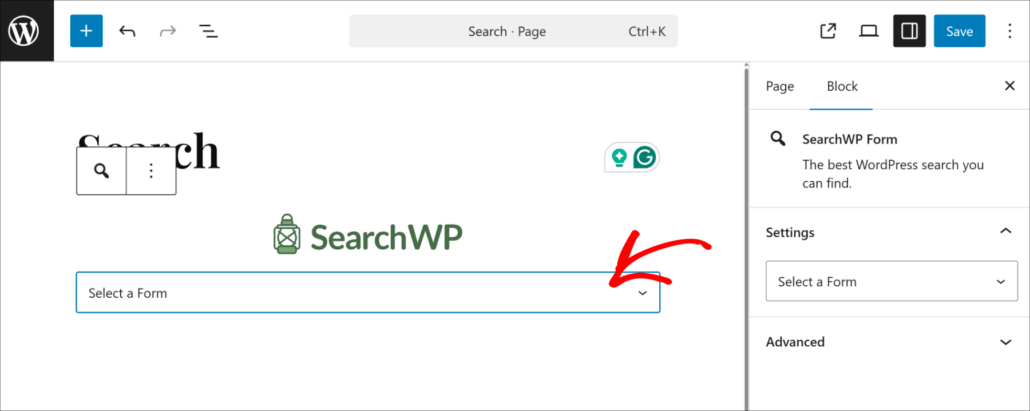
When you are done, simply click the Save or Update button and make the live search form available for your visitors.
Now let’s confirm everything is working. To do that, you can visit the front end of your site and click into any search form.
Start typing a partial query and watch the results dropdown appear below the input field as you type. You should see the post and page titles update in real time with each character you add.
Here’s the live search form in action!

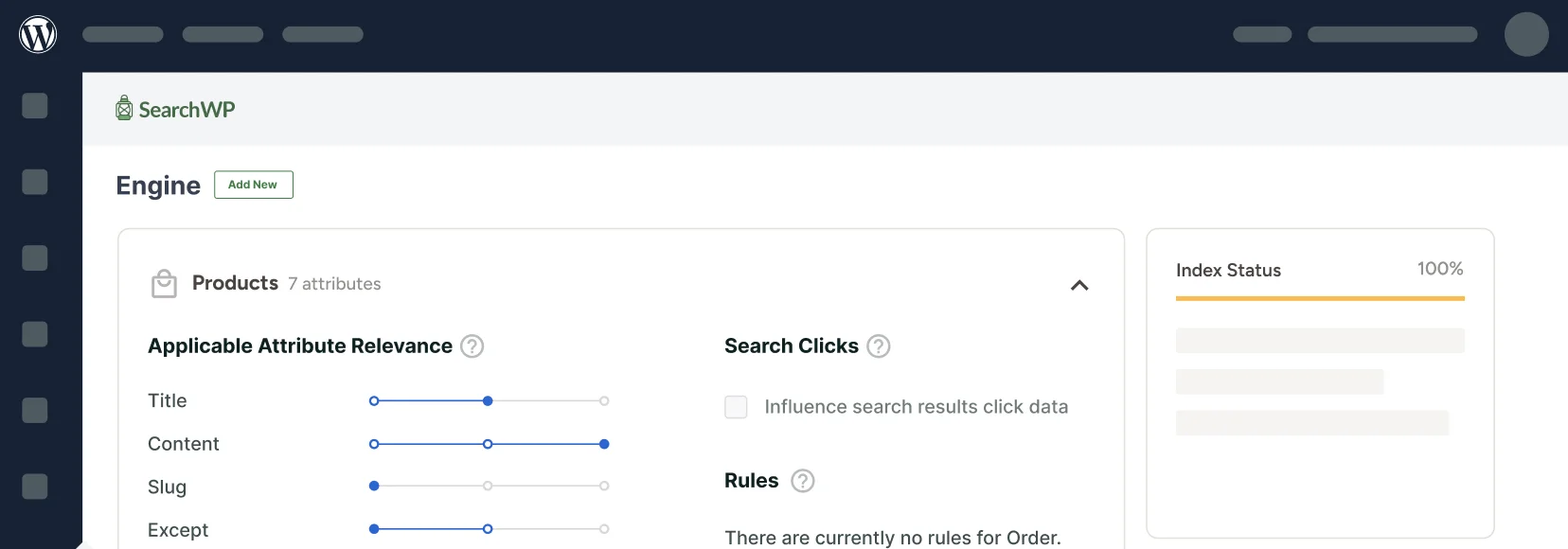
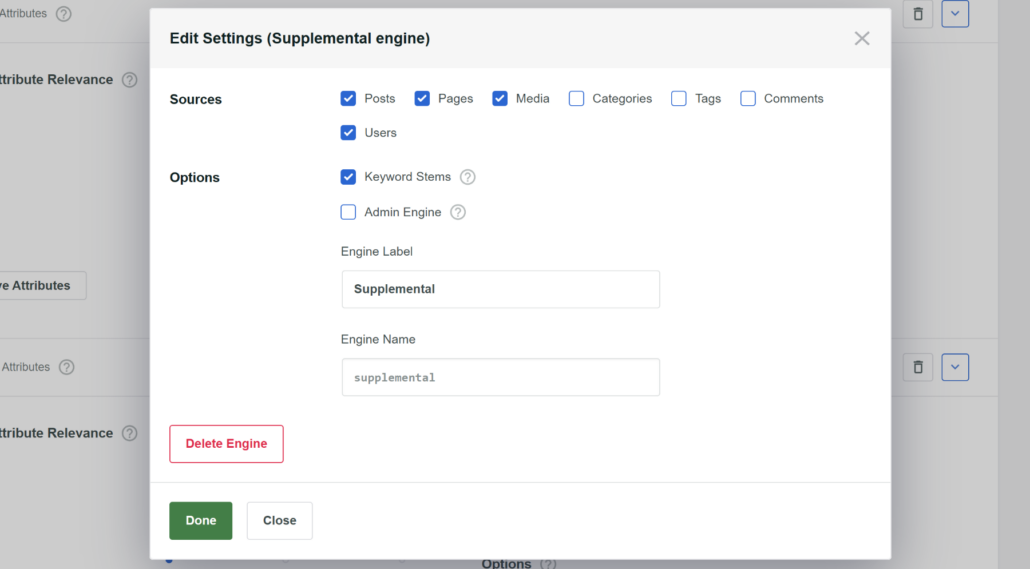
When you upgrade to SearchWP, you can build multiple Search Engines that surface different content and assign a different engine to each Search Form on your site
Bonus: Power Up Your Live Search With SearchWP
SearchWP Live Ajax Search uses WordPress’s native search query, which matches against post titles, excerpts, and content.
If a visitor searches for a product SKU, a custom field value, or content inside a PDF, the free plugin won’t find it.
That’s where the full SearchWP plugin comes in.
Installing SearchWP upgrades the live search results to a custom relevance engine that searches custom fields, WooCommerce product attributes, tags, categories, PDFs, and more.
Sites running WooCommerce can add the WooCommerce extension to also search product attributes and SKUs
For the full upgrade walkthrough, see our guide on how to add live autocomplete search to WordPress.
FAQs about Live Search in WordPress
1. Does live search slow down my WordPress site?
SearchWP Live Ajax Search uses lightweight AJAX requests that are debounced, meaning they only fire after the visitor pauses typing for a brief moment. Each request retrieves only the search results, not a full page. On most WordPress sites, the load added by live search is negligible compared to a full page reload, and the experience feels faster to visitors even though a server request is still involved.
2. Will live search work with my existing WordPress theme?
Yes. From our testing, it works with Elementor, Divi, Astra, Kadence, GeneratePress, and most other popular themes and page builders right out of the box. No theme edits are required.
3. Can I show WooCommerce products in the live search dropdown?
Yes. When WooCommerce is active on your site, SearchWP Live Ajax Search detects it automatically. For a complete WooCommerce search setup, see our guide on how to add a custom WooCommerce search widget.
4. What’s the difference between the free plugin and SearchWP?
SearchWP Live Ajax Search is free and provides live search dropdowns powered by WordPress’s native search query, which matches post titles and content. The paid SearchWP plugin upgrades those results to a custom relevance engine that also searches custom fields, taxonomies, and PDF documents at the Standard tier. Adding the WooCommerce extension (Pro and up) extends search to WooCommerce product attributes and SKUs.
5. How do I add a live search bar to my WordPress header or menu?
Add a search form widget to a widget area that appears in your header, or place a search form block in your header template using the block editor. Once a search form is present anywhere on the page, SearchWP Live Ajax Search upgrades it with a live dropdown automatically, with no extra configuration needed.
That’s it! You’ve added live search to your WordPress site for free, with no API keys, no cloud accounts, and no code. Visitors can now get instant results from any search form on your site the moment they start typing.
We hope this article helped you learn how to add live search to WordPress for free. You may also want to see our guides on how to create advanced search forms in WordPress and how to customize the WordPress search results page.
Ready to take your live search further? You can get started with SearchWP here.